Revealed: Claude Code's 510,000-Line Leak Exposes the Hidden 60/40 Secret of AI Engineering Success
On March 31, 2026, the AI community was shocked when Anthropic's Claude Code source code was accidentally leaked. The breach exposed approximately 1,902 files containing over 510,000 lines of code, effectively revealing the inner workings of one of the most advanced AI coding assistants on the market.
The Unprecedented Leak: What Happened
According to security researchers, the leak occurred when Anthropic accidentally shipped a source map file in their npm package—a simple configuration mistake with massive consequences. The timing couldn't have been worse, landing as global regulatory scrutiny of AI systems was intensifying.
By exposing the “blueprints” of Claude Code, the leak provided a roadmap to researchers—and potentially to bad actors—who can analyze its architecture, infer how safety and performance are enforced, and hunt for vulnerabilities.
The 60/40 Split: Models vs. Engineering
The leak revealed a pragmatic truth about AI products: Claude Code's capabilities rely on a roughly 60% model and 40% engineering split. That 40% includes system design, prompting strategies, tooling, and operational infrastructure—the “harness” that makes the model reliable in the real world.
System Prompts and Architecture
The leaked code surfaced internal system prompts—detailed instructions that guide Claude's behavior across scenarios, ethics, and performance constraints. These prompts are substantially more sophisticated than what the public typically sees.
Another standout detail: Claude Code's “Auto” mode appears to run two separate AI models in parallel, comparing outputs to deliver the best result. This is an engineering choice that improves reliability and output quality beyond what a single model pass can provide.
Memory Systems and Search Capabilities
The code indicates Claude Code uses a selective memory system that prioritizes user preferences while deliberately avoiding storing code snippets—reflecting both privacy considerations and context-window constraints.
More surprisingly, the search capability doesn't rely on a heavy RAG stack as many assumed. Instead, it uses a more straightforward grep-like approach—an example of how simple mechanisms, executed well, can feel “advanced” in product.
Implications for AI Engineering
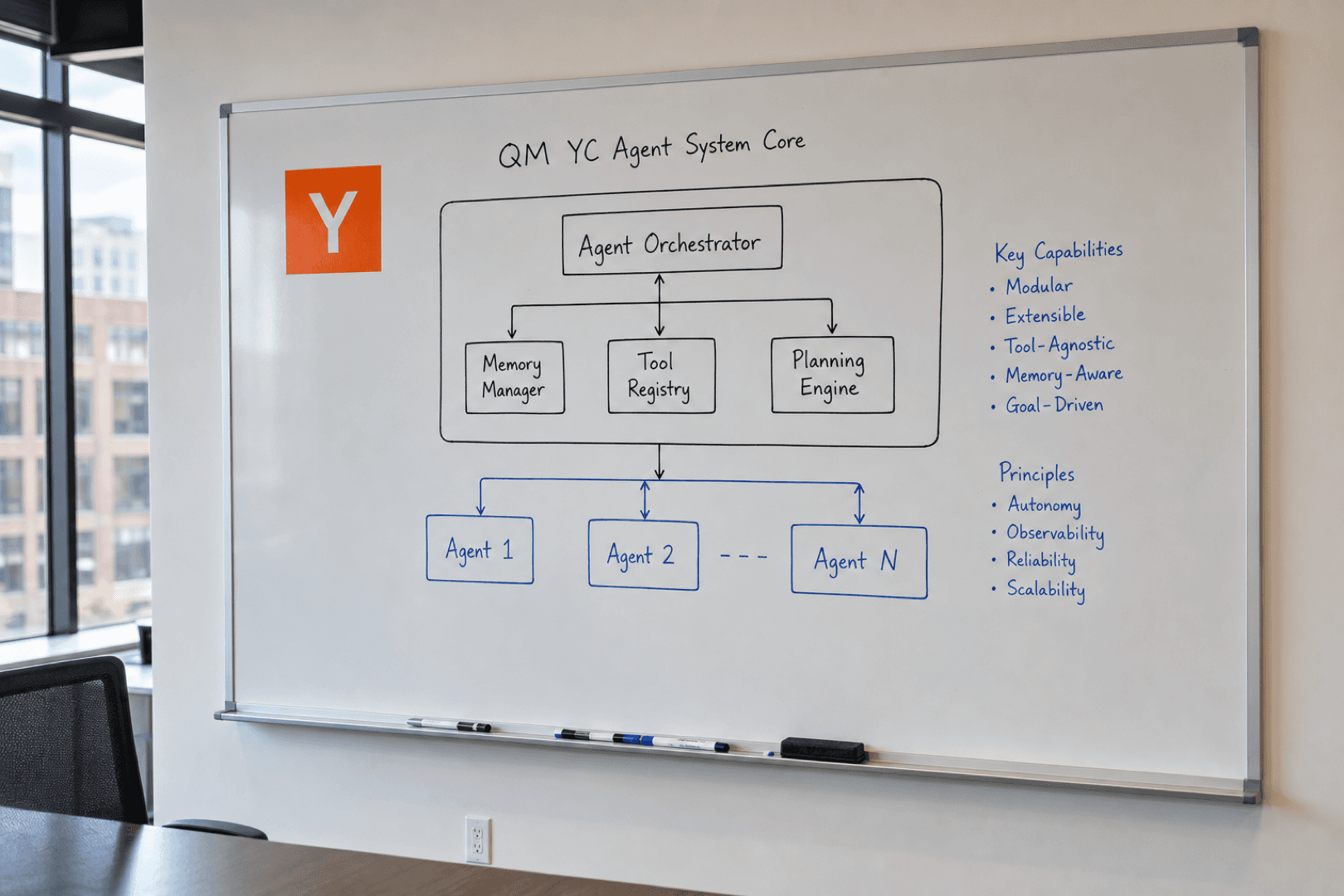
The leak underscores the value of harness engineering: the prompting, orchestration, tools, and guardrails around models. For teams building AI products, investing in this harness can yield faster returns than chasing ever-larger models.
Security Considerations
A single misconfigured artifact in the packaging pipeline exposed proprietary technology. The lesson is old but urgent: treat AI systems like software systems—apply rigorous supply-chain, packaging, and release security practices end-to-end.
Competitive Landscape Shifts
Analysts expect the leak to accelerate competing coding assistants by compressing years of R&D into months—especially for teams able to reuse architectural ideas in jurisdictions with different IP norms.
Conclusion
The Claude Code leak is both a setback for Anthropic and an unprecedented learning opportunity. It makes one message hard to ignore: powerful models matter, but the engineering systems that deploy, control, and amplify them may be equally decisive.
Stay in the loop
Keep up to date with the latest news and updates