What's worth reading
A short list of articles still worth opening — not every post in the archive.
AI / Agents
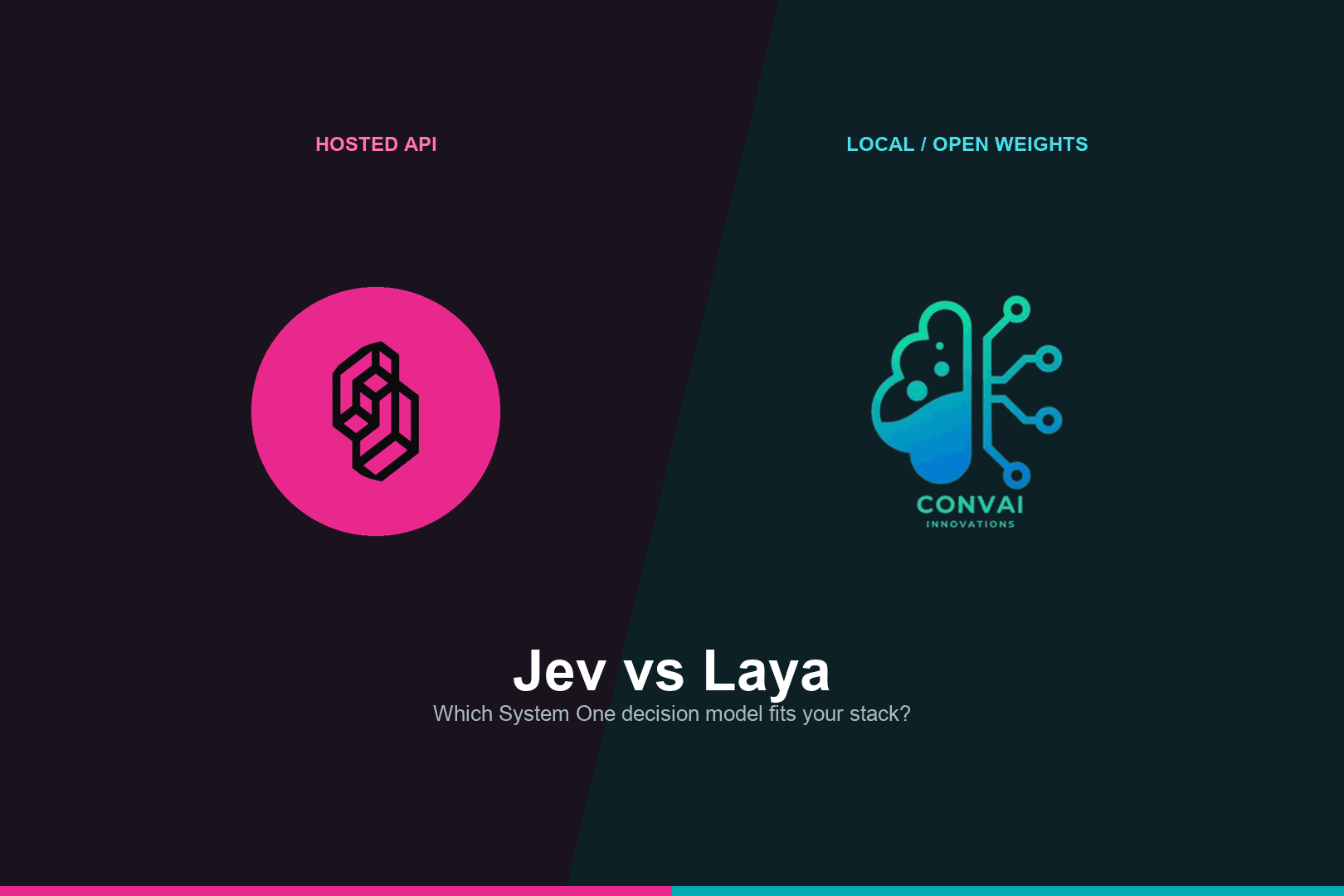
Jev vs Laya (2026): Which System One Decision Model Should You Use?
Jev (TypeSafe) vs Laya (Convai): hosted API vs Apache 2.0 open weights for typed decisions. Compare context, options, cost, benchmarks—and when to pick which in 2026.
AI / Agents
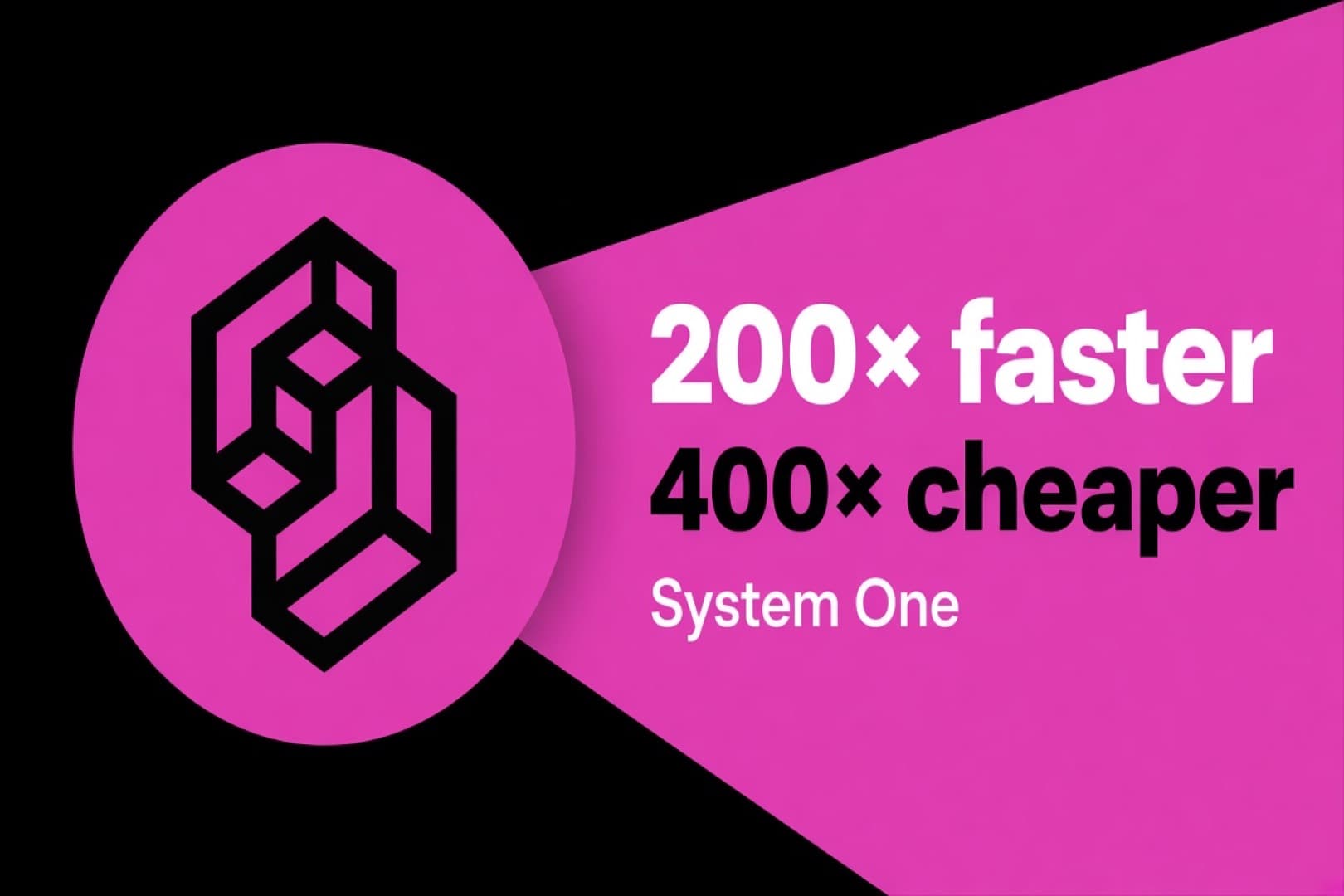
Why TypeSafe AI's Jev Went Viral: The System One Model Changing AI Agents (2026)
Jev isn’t another chatbot—it’s a typed decision model ~200× faster for agent routing, guardrails, and classification. How it differs from traditional AI agents, and how teams use it today.
AI / Personal Agents
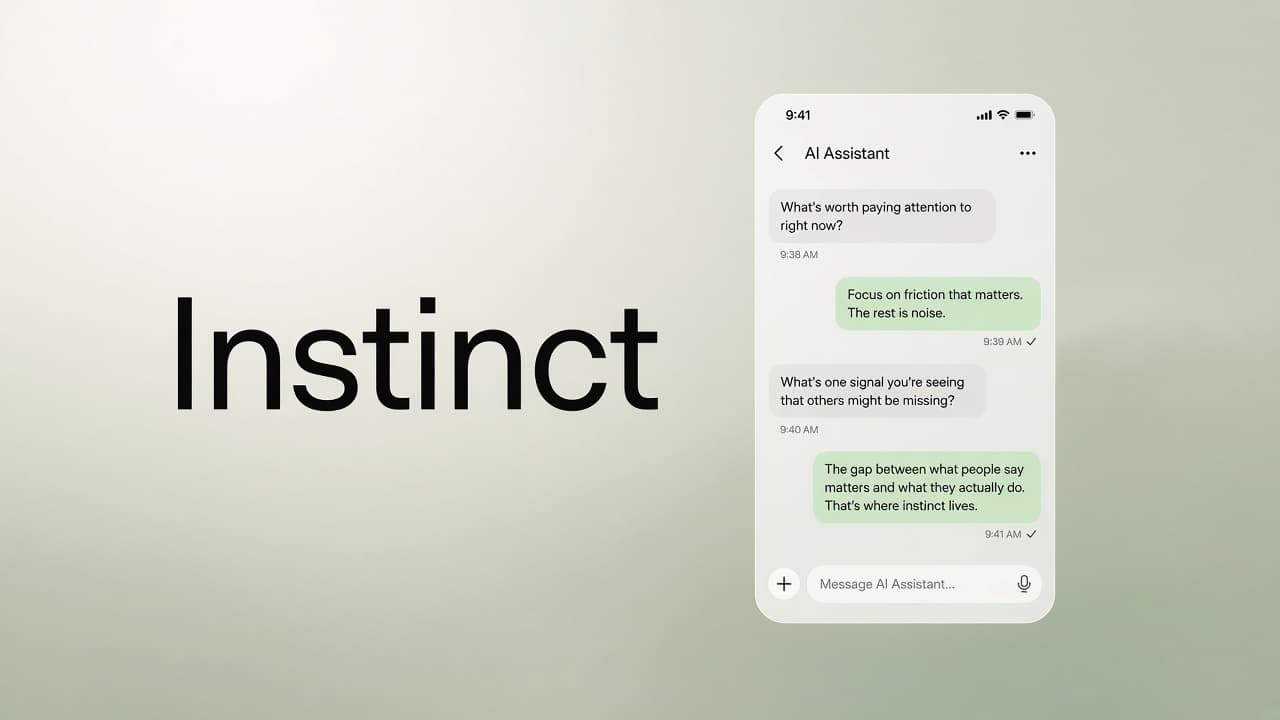
Instinct AI Review (2026): Messaging-Native Personal Agent — What It Does and What’s at Stake
Instinct is an invite-only AI personal assistant you text or call via iMessage, WhatsApp, or phone. Our 2026 review covers how its cloud computer finishes real-life tasks—and the privacy trade-offs that come with that access.
AI Research
Netflix GenRec: How an LLM Ranker on vLLM Beat a Mature Recommender With 40× Less Label Data
Netflix GenRec turns recommendation into context engineering: an LLM-backed ranker served prefill-only on vLLM, +1.6% offline MRR, statistically significant online gains, and ~10–40× fewer Phase-2 labels than a years-tuned production baseline.
More from the desk
One note per piece, so the page reads like an edit instead of a grid of products.
AI & Technology
Ox Alpha AI Model: Why the Anonymous “Stealth” Release Is Drawing So Much Attention
Ox Alpha is a newly released anonymous AI model with a 1M-token context window, multimodal input, and coding-agent capabilities. Here is what makes it special—and the leading theories about who built it.
AI Research
Microsoft Agent Lightning v1.0: Train AI Agents Inside the Same Harness You Ship
Agent Lightning v1.0 brings harnessed agentic RL to real coding agents—~3,500 lines of code, near-zero rewrites, and a 14.6-point SWE-bench Verified jump for Qwen3.5-9B with only ~6K examples.
AI & Technology
DeepSeek Harness: Revolutionizing AI Agent Development with "Everything is a Plugin"
DeepSeek Harness v0.1 is an MIT-licensed, local-first open-source agent runtime built on Cordis—where models, tools, sessions, sandboxes, and the loop itself are all swappable plugins.
AI Security
Stealing Reasoning Traces from Proprietary LLM APIs: A Critical Security Vulnerability Exposed
Research shows attackers can extract hidden reasoning traces from proprietary LLM APIs across Anthropic, OpenAI, and Google—posing intellectual property and privacy risks.
AI Industry
Meta's Muse Glimmer: The Game-Changing Open-Weight AI Model Revolutionizing Local Agent Workflows
Meta unveils Muse Glimmer—a 30-billion-parameter Apache 2.0 open-weight model optimized for always-on local agent workflows on consumer hardware, with up to 20,000 tokens/sec on a single NVIDIA GPU.
AI Infrastructure
Cloudflare Launches Kitesurf: The Revolutionary Browser Built for AI Agents, Not Humans
Cloudflare unveils Kitesurf, the world's first agent-first browser—running on Workers with V8 isolates, using 3–7× less CPU and memory than Chromium for AI agent tasks.