Goldman Sachs Warns: China's DRAM Expansion Could Trigger Memory Market Crisis by 2030
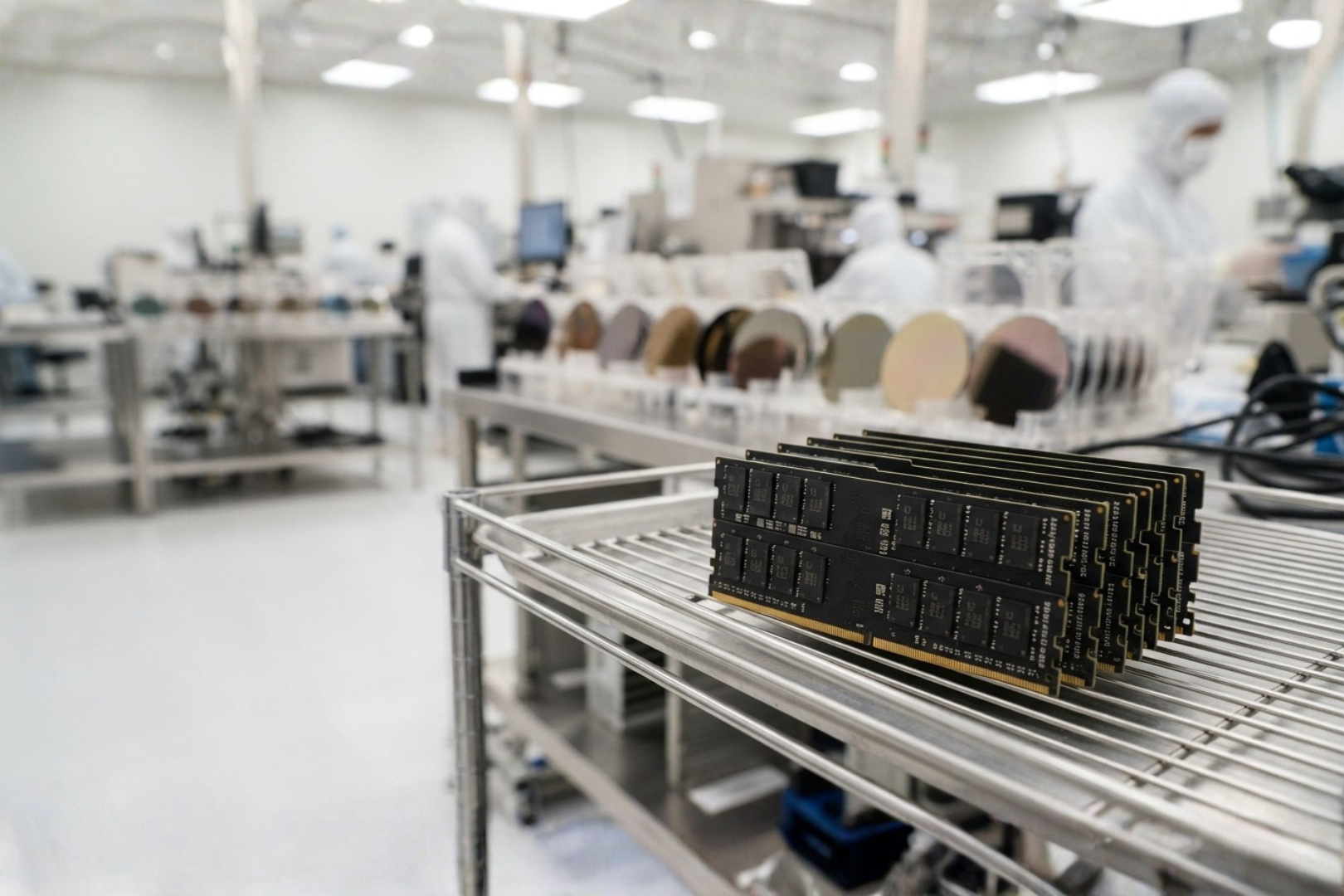
The global memory chip industry is facing a paradoxical crisis: while analysts predict severe shortages through 2028, China's aggressive DRAM expansion threatens to destabilize the market by 2030. Goldman Sachs has issued warnings about the "worst memory shortage in 15 years," yet Changxin Memory Technologies (CXMT) plans to double its capacity by the end of the decade.
The Perfect Storm Brewing
Goldman Sachs forecasts DRAM undersupply of approximately 4.9% in 2026 and 2.5% in 2027, driven primarily by explosive AI demand and constrained supply expansion. SK Hynix CEO predicts the "worst memory shortage" will peak in 2027, with demand outstripping supply beyond 2030.
However, CXMT is projected to produce nearly 350,000 wafers per month by 2030, potentially overtaking Micron's memory wafer capacity. China's total DRAM capacity is expected to reach around 1.41 million wafers per month by 2030, positioning it as the world's second-largest DRAM producer.
Market Implications
The memory industry faces a delicate balancing act. While current shortages are pushing DDR5 RDIMM prices to $1,402 by Q3 2026—a 13% quarterly increase—CXMT's capacity doubling could flood the market just as supply-demand equilibrium is achieved. Goldman Sachs expects DRAM supply growth of only 21% year-on-year in 2026, well below the demand surge.
The Geopolitical Dimension
CXMT's $8.5 billion IPO and ambitious expansion plans represent China's determination to achieve semiconductor self-sufficiency despite Western export controls. The company aims to triple capacity by 2035 while shifting toward higher-value products like LPDDR5 and DDR5.
Industry experts warn that if CXMT's expansion materializes as planned, it could create oversupply conditions by 2030–2031, potentially triggering price crashes similar to previous memory market cycles. This timing is particularly concerning as it coincides with when current shortages are expected to ease naturally.