Block's Buzz: Jack Dorsey Reimagines Workplace Collaboration Where AI Agents Are Real Team Members
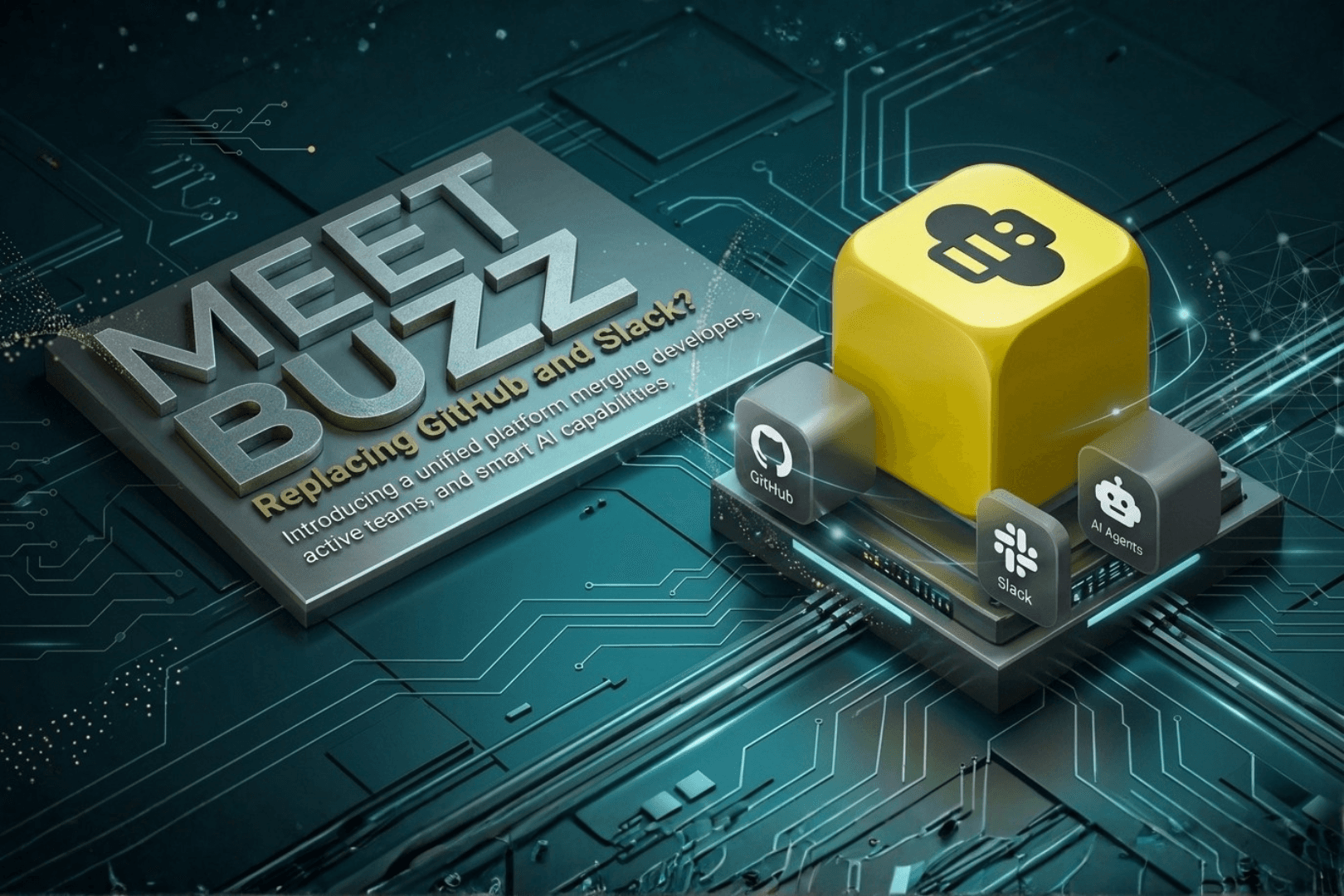
In a groundbreaking move that could fundamentally reshape workplace collaboration, Jack Dorsey's Block has launched Buzz on July 21, 2026—an open-source platform that doesn't just integrate AI into the workplace, but gives artificial intelligence agents the same status as human employees. Built on the decentralized Nostr protocol and released under the Apache 2.0 license, Buzz represents a radical new vision where your next coworker might be an algorithm with its own cryptographic identity.
AI Agents as First-Class Citizens
What sets Buzz apart from traditional collaboration tools like Slack or Microsoft Teams is its fundamental philosophy: AI agents aren't just features or bots—they're team members. Each AI agent receives its own distinct cryptographic identity, meaning every action, every contribution, and every decision is logged and attributed to a specific agent. This creates an unprecedented level of transparency and accountability in human-AI collaboration.
"What if your AI agent already knew everything?" Block poses this question as they introduce a workspace where AI agents can maintain persistent memory across conversations and projects. This means an AI agent working on your team can remember context from previous discussions, understand ongoing project requirements, and build on past work—just like a human colleague would.
A Complete Collaboration Ecosystem
Buzz isn't just a messaging app with AI bolted on. It's a comprehensive workspace that combines multiple essential tools into one platform:
- Team Communication: Channels, threads, and direct messages for seamless conversation
- Voice Communication: Real-time voice chat for both humans and AI agents
- Media Sharing: Easy file and content sharing across the team
- Git Code Review: Integrated version control and code review capabilities, making it particularly powerful for development teams
- AI Agent Integration: Multiple AI agents can work alongside multiple humans in a shared, transparent environment
This integration of team chat, AI agents, and Git code review into one free, open-source application represents a significant shift in how development teams might work in the future.
The Power of Nostr Protocol
By building Buzz on the Nostr protocol—a decentralized communication standard that Dorsey has been championing—Block ensures that identities and conversations aren't locked into a proprietary system. The Nostr protocol provides enhanced decentralization and security, giving each AI agent its own cryptographic identity that's portable across platforms.
This decentralized approach means that if you develop an AI agent for your team, that agent's identity and capabilities aren't trapped in Block's ecosystem. The agent can potentially work across different platforms while maintaining its identity and memory.
Open Source: A Strategic Advantage
Released under the Apache 2.0 license, Buzz is completely free and open-source. This isn't just about cost savings—it's a strategic decision that allows developers to:
- Modify the platform to fit their specific needs
- Extend functionality with custom integrations
- Audit the code for security and privacy concerns
- Build proprietary tools on top of the open foundation
- Avoid vendor lock-in that plagues enterprise software
The open-source nature also means the developer community can contribute improvements, potentially accelerating Buzz's evolution far beyond what a closed development team could achieve.
Turning AI Agents Into Real Employees
Block's vision goes beyond simple automation. By giving AI agents cryptographic identities and persistent memory, they're essentially treating AI as real employees. Every action an AI agent takes is signed with its identity, creating a verifiable audit trail. This has profound implications for:
- Accountability: When an AI agent makes a decision or produces work, it's clearly attributable
- Trust: Teams can verify which agent did what, when, and why
- Compliance: Industries with strict regulatory requirements can track AI actions with the same rigor as human actions
- Collaboration: Humans can build relationships with specific AI agents, understanding their strengths and limitations
Why This Matters for the Future of Work
Buzz arrives at a pivotal moment when organizations are struggling to integrate AI meaningfully into their workflows. Most current solutions treat AI as a tool you invoke—a chatbot you consult or an assistant you summon. Buzz proposes something different: AI as a persistent presence in your workspace, with its own identity, memory, and accountability.
This approach addresses several critical challenges:
- Context Loss: Traditional AI tools forget context between sessions. Buzz's AI agents maintain persistent memory
- Attribution: When AI generates content, Buzz ensures it's signed and traceable
- Integration: Instead of switching between tools, teams have communication, code review, and AI in one place
- Transparency: Every team member (human or AI) can see what agents are doing
Block's Broader Vision
This launch signals that Block is moving far beyond its roots in payment processing. By creating infrastructure for human-AI collaboration, Block is positioning itself at the forefront of how work will evolve in the AI age. The company is betting that the future of work isn't about replacing humans with AI, but about creating environments where both can collaborate effectively with clear roles and responsibilities.
Challenges and Questions Ahead
While Buzz's vision is compelling, several questions remain:
- How will organizations handle the legal and ethical implications of AI agents with identities?
- What happens when an AI agent makes a mistake—who's responsible?
- How will teams manage potentially dozens of AI agents with different specializations?
- Can the Nostr protocol scale to support enterprise-level deployments?
These are questions the market will answer as early adopters begin experimenting with Buzz in real-world scenarios.
Conclusion
Block's Buzz represents more than just another collaboration tool—it's a vision for how humans and AI might work together in the coming decades. By giving AI agents cryptographic identities, persistent memory, and equal standing in the workspace, Buzz challenges us to rethink what collaboration means in an AI-augmented world.
Whether Buzz becomes the standard for human-AI collaboration or remains a fascinating experiment, it's already succeeded in one crucial way: it's forcing the tech industry to think more seriously about how we integrate AI into our work lives, not just as tools, but as colleagues.