Meta's Muse Image Model: Revolutionary AI or Privacy Nightmare?
The Controversy That's Shaking Social Media
The Controversy That's Shaking Social Media
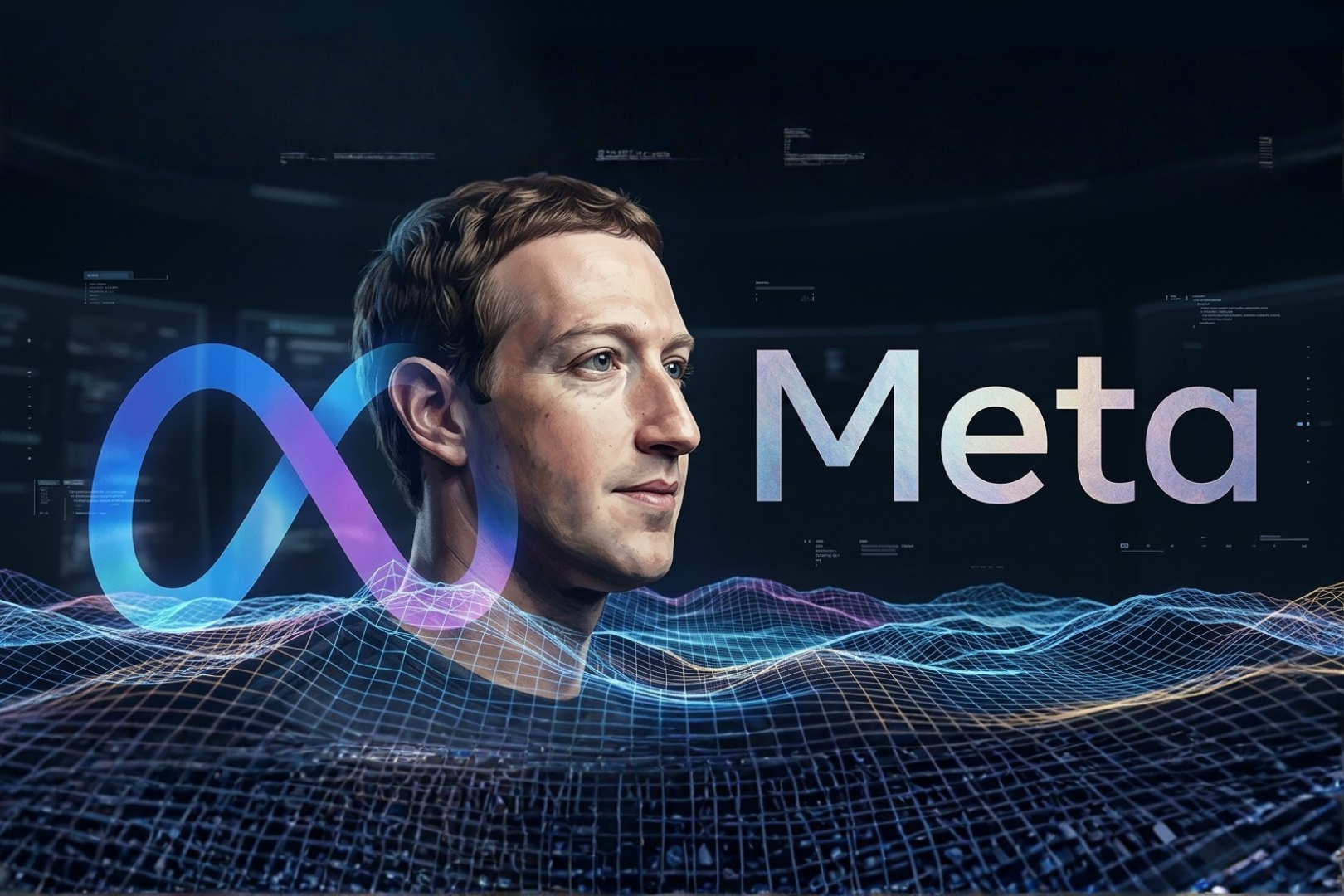
On July 7, 2026, Meta launched Muse Image, its first in-house AI image generation model from Meta Superintelligence Labs, sparking immediate backlash across the internet. The controversy centers on one critical issue: Meta is allowing anyone to use public Instagram photos to generate AI images without explicit user consent, requiring users to manually opt-out instead.
Why Meta Muse Image Is Important and Groundbreaking
Advanced AI Capabilities
Meta describes Muse Image as "the company's first image generation model from Meta Superintelligence Labs" and their "most advanced image generation model yet". The model represents Meta's significant entry into the competitive AI image generation race, positioning itself against rivals like OpenAI's DALL-E and Midjourney.
Personalized Image Generation
What sets Muse Image apart is its ability to create highly personalized content. Users can @-mention public Instagram accounts to generate AI images incorporating those profiles' visual styles and characteristics. This "image generation built for your world" approach allows for unprecedented customization in AI-generated content.
Business and Creator Opportunities
Meta is strategically courting advertisers and creators with this technology. The model provides enhanced agentic capabilities and tools that could revolutionize content creation for marketing, social media, and creative industries.
Why It's Controversial: The Privacy Firestorm
Opt-Out Instead of Opt-In
The primary controversy stems from Meta's decision to make this an opt-out system rather than opt-in. If you have a public Instagram account, strangers can automatically use your photos and profile in AI-generated images unless you actively disable this feature.
Lack of Notification
Meta is facing significant backlash because the system "can generate pictures using other people's profile pictures without telling them". Critics argue that using people's photos without explicit consent is intrusive, especially since many users are unaware this is happening.
Privacy Concerns and User Control
Privacy advocates have raised serious concerns about this approach. While Meta provides a dedicated setting separate from account privacy controls to opt out, the burden is placed entirely on users to discover and activate this protection. Many users may never know their public content is being used for AI generation.
The Public vs. Private Debate
Meta's position is that public Instagram accounts have already made their content publicly available. However, critics argue there's a significant difference between posting photos publicly for human viewing versus having them used as training data or generation sources for AI systems without explicit permission.
How to Opt Out
For Instagram users concerned about their photos being used in Muse Image generations, Meta has provided a dedicated setting to opt out, which is separate from standard account privacy controls. Users need to actively navigate to this setting to protect their content from being used in AI-generated images.
The Bigger Picture
This controversy highlights the ongoing tension between AI innovation and user privacy rights. As Meta enters the AI image model race to attract creators and advertisers, it faces the challenge of balancing technological advancement with user trust and consent.
The Muse Image launch represents both the exciting potential of personalized AI and the ethical complexities of using user data in the age of artificial intelligence. Whether Meta's opt-out approach becomes industry standard or faces regulatory pushback remains to be seen.
Stay in the loop
Keep up to date with the latest news and updates