Anthropic Acquires Bun: A Game-Changing Move as Claude Code Hits $1B Milestone
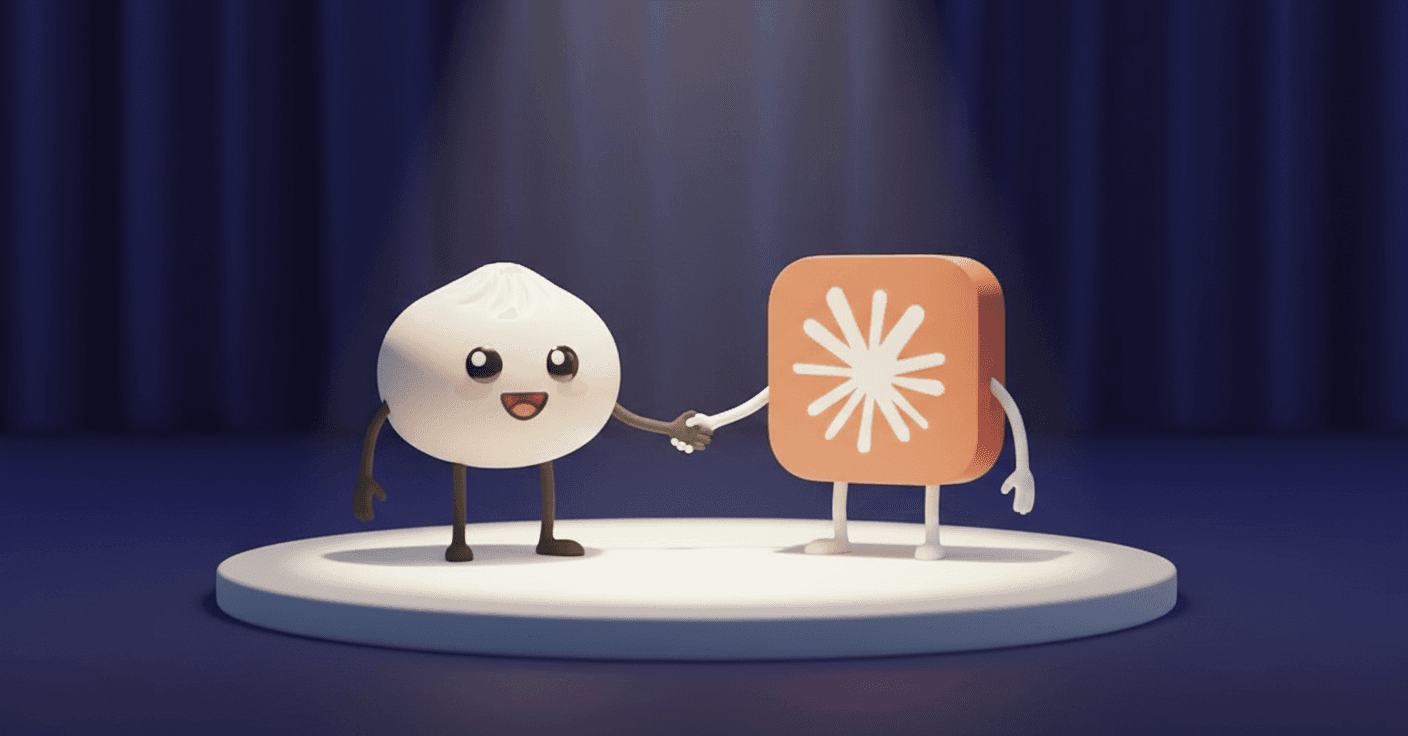
In a move that's sending shockwaves through the developer community, Anthropic just announced its first-ever acquisition: Bun, the blazingly fast JavaScript runtime that's been turning heads since 2021. This isn't just another tech acquisition—it's a strategic bet on the future of AI-powered software development. And the timing? Perfect. Claude Code just hit $1 billion in run-rate revenueonly six months after becoming publicly available.
If you're a developer, startup founder, or anyone who cares about where software development is headed, this acquisition matters. Let's unpack what's really happening here and why it signals a fundamental shift in how we'll build software in the AI era.
The Numbers That Tell the Story
First, let's talk about Claude Code's meteoric rise. Reaching $1 billion in run-rate revenue in just six months is extraordinary by any measure. For context, many successful SaaS companies take years to reach this milestone. Claude Code did it in half a year.
What makes this even more impressive? Claude Code started as an internal engineering experiment at Anthropic. It wasn't some carefully planned product launch with years of development. It emerged from Anthropic's own engineers using Claude to build better software, realized they had something special, and turned it into a product that companies like** Netflix, Spotify, KPMG, L'Oreal, and Salesforce **now consider critical infrastructure.
Key Insight
Claude Code's rapid adoption by enterprise giants proves that AI coding tools have crossed the chasm from "interesting experiment" to "mission-critical infrastructure." The market has spoken, and it's saying AI-assisted development is here to stay.
What Exactly is Bun, and Why Does It Matter?
If you haven't heard of Bun yet, here's what you need to know: it's a JavaScript runtime that's dramatically faster than Node.js, the current industry standard. But Bun isn't just fast—it's a complete rethinking of the JavaScript developer experience.
The All-in-One Approach
Traditional JavaScript development requires juggling multiple tools: Node.js for the runtime, npm or yarn for package management, webpack or esbuild for bundling, and Jest or Mocha for testing. Bun combines all of these into one cohesive toolkit. It's a runtime, package manager, bundler, and test runner—all optimized to work together seamlessly.
Think of it like switching from carrying separate devices (phone, camera, GPS, music player) to having a smartphone that does everything better and faster.
Speed That Actually Matters
Bun's founder, Jarred Sumner, started building it because he was frustrated waiting 45 seconds for his Next.js dev server to reload. That frustration led to a runtime that's genuinely revolutionary in its performance. With over7 million monthly downloadsand82,000+ GitHub stars, developers have clearly voted with their feet.
Companies like Midjourney (the AI art generator) and X (formerly Twitter) are already using Bun in production. When you're building at scale, those speed improvements compound into massive productivity gains.
Why This Acquisition Makes Perfect Sense
Anthropic's acquisition of Bun isn't random—it's strategic on multiple levels.
Infrastructure as Competitive Advantage
Claude Code already ships as a Bun executable to millions of users. As Mike Krieger, Anthropic's Chief Product Officer, put it: "If Bun breaks, Claude Code breaks." By acquiring Bun, Anthropic gains direct control over a critical piece of their infrastructure.
This isn't just about avoiding dependency risk—it's about optimization. When you own the entire stack, you can optimize in ways that aren't possible when coordinating across company boundaries. Anthropic can now tune Bun specifically for AI coding workflows, making Claude Code faster and more reliable than competitors who rely on third-party tools.
The Single-File Executable Advantage
One of Bun's killer features is its ability to compile JavaScript projects into self-contained executables. This means Claude Code can be distributed as a single file that runs anywhere—no installation of Node.js or other dependencies required. For enterprise adoption, this simplicity is gold.
IT departments love tools that "just work" without complex setup. Bun's standalone executables make Claude Code easier to deploy, easier to manage, and easier to secure. That's a huge advantage in enterprise sales.
Future-Proofing the AI Development Stack
As Jarred Sumner noted in his announcement, "AI started to get good in late 2024." We're at the beginning of a massive shift where AI becomes integral to how software gets built. The infrastructure that powers this shift matters enormously.
Anthropic isn't just thinking about Claude Code today—they're building for the Claude Agent SDK and "future AI coding products & tools" that haven't been announced yet. Owning Bun gives them the foundation to move fast as AI capabilities evolve.
| Aspect | Before Acquisition | After Acquisition |
|---|---|---|
| Bun Development | Independent startup with 14 employees | Backed by Anthropic's resources and AI expertise |
| Open Source Status | MIT-licensed, open source | Remains MIT-licensed, open source |
| Claude Code Integration | Close partnership, external dependency | Fully integrated, optimized together |
| Development Speed | Limited by startup resources | Accelerated with Anthropic backing |
| AI Optimization | General-purpose JavaScript runtime | Optimized specifically for AI workflows |
| Community Impact | Growing developer adoption | Continued focus on developer experience |
What Stays the Same (And Why That Matters)
One of the smartest aspects of this acquisition is what Anthropic has committed to not changing:
- **Bun remains open source and MIT-licensed.**This isn't a proprietary land grab. Developers can continue using Bun for any project, commercial or otherwise, without restrictions. -**The same team continues working on Bun.**Jarred Sumner and his engineers aren't being absorbed into some larger org—they're continuing to build Bun with the same focus and vision. -**Development happens in public on GitHub.The transparent, community-driven development model that made Bun successful isn't changing. - The roadmap stays focused on developer experience. **Bun will continue prioritizing performance, Node.js compatibility, and becoming the default server-side JavaScript runtime.
These commitments matter because they preserve what made Bun special in the first place. Anthropic understands that Bun's value comes from its community and its focus on solving real developer problems—not from locking it behind proprietary walls.
The Bigger Picture: AI-Native Development Infrastructure
This acquisition represents something larger than just one company buying another. It's a signal that we're entering an era whereAI-native development infrastructurebecomes its own category.
Traditional development tools were built for humans writing code line by line. But when AI agents are generating, testing, and deploying code at machine speed, the bottlenecks shift. You need infrastructure that can keep up with AI's pace—tools that start instantly, execute blazingly fast, and integrate seamlessly with AI workflows.
That's exactly what Bun provides. Its fast startup times, single-file executables, and all-in-one design make it perfect for AI coding tools that need to spin up environments quickly, test code rapidly, and deliver results without friction.
Strategic Implications
Anthropic's acquisition of Bun isn't just about improving Claude Code—it's about controlling a critical layer of the AI development stack. As AI coding tools become more sophisticated, the underlying runtime and tooling become competitive differentiators. Expect other AI companies to make similar moves.
What This Means for Developers
If you're a developer wondering how this affects you, here's the practical takeaway:
-**Bun will get better, faster.**With Anthropic's resources and direct incentive to make it excellent, expect accelerated development and improvements. -**Claude Code will become more powerful.**Tighter integration with Bun means faster performance, better stability, and new capabilities that weren't possible before. -**The JavaScript ecosystem benefits.**A well-funded, actively maintained alternative to Node.js is good for everyone. Competition drives innovation. -**AI coding tools will improve across the board.**Other tools like FactoryAI and OpenCode also use Bun. As Bun gets better for AI workflows, the entire ecosystem benefits.
The Road Ahead
Anthropic has stated this acquisition aligns with their "strategic, disciplined approach to acquisitions." Translation: this won't be their last. They're looking for opportunities that "bolster technical excellence, reinforce strength as the leader in enterprise AI, and align with principles and mission."
What might come next? Possibly acquisitions in:
- Developer tools and IDEs optimized for AI workflows
- Testing and quality assurance infrastructure for AI-generated code
- Security and compliance tools for AI coding environments
- Collaboration platforms designed for human-AI development teams
The pattern is clear: Anthropic is building a complete stack for AI-powered software development, from the AI models themselves down to the runtime and tooling. This vertical integration strategy mirrors what successful platform companies have done historically—control the critical layers, optimize them together, and deliver a superior end-to-end experience.
Final Thoughts: A Watershed Moment
Looking back, we may see Anthropic's acquisition of Bun as a watershed moment—the point where AI companies stopped being just model providers and started becoming full-stack development platform companies.
Claude Code hitting $1 billion in run-rate revenue in six months proves the market is ready for AI-powered development at scale. Acquiring Bun shows Anthropic is serious about building the infrastructure to support that scale and maintain their competitive edge.
For developers, this is exciting. Better tools, faster iteration, and AI that actually helps rather than just generating boilerplate. For the industry, it's a signal that we're past the experimentation phase. AI-assisted development is now critical infrastructure, and the companies building it are making the strategic moves necessary to dominate this new landscape.
The question isn't whether AI will transform software development—it's who will build the infrastructure that powers that transformation. With this acquisition, Anthropic just made a strong statement about their intentions.