Is SaaS Dead? Insights from Big Company CEOs
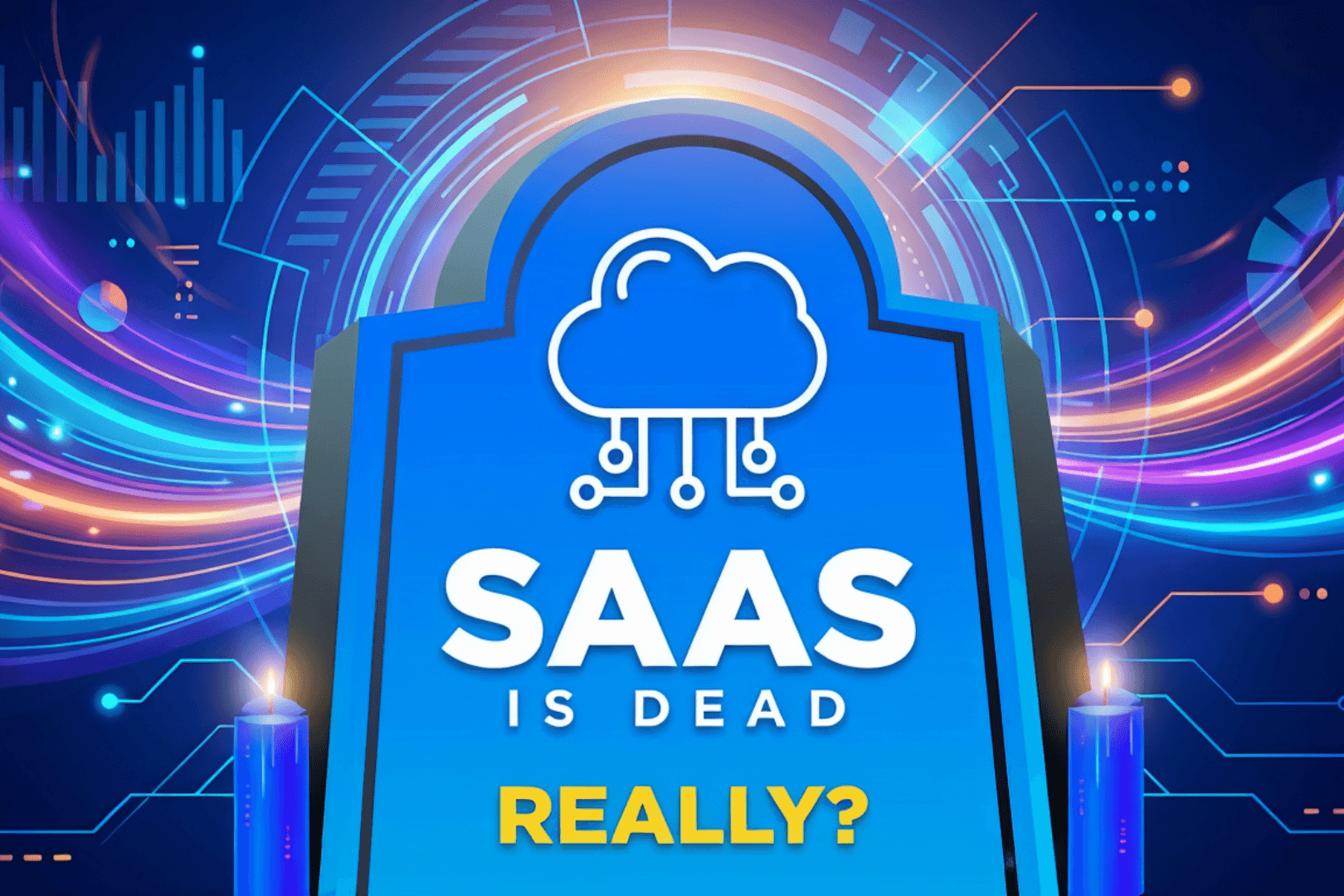
The question "Is SaaS dead?" has been a hot topic in the tech industry, sparking debates about the future of Software as a Service (SaaS). To provide a well-rounded perspective, I've researched the latest news and opinions from prominent sources, including views attributed to or analyzed in the context of big company CEOs. Below, I summarize these insights to explore whether SaaS is truly on its way out or if it's merely evolving.
Background on the SaaS Debate
SaaS has been a cornerstone of modern business, offering scalable, subscription-based software solutions. However, with the rise of AI, automation, and alternative models like Platform as a Service (PaaS) or agentic platforms, some argue that the traditional SaaS model might be losing its edge. Let's dive into the perspectives from industry analyses and statements attributed to or relevant to major tech leaders.
Perspectives on "SaaS is Dead?"
SaaS is Dead in its Traditional Form: A Shift to Agentic Platforms
According to a Forbes article, Microsoft CEO Satya Nadella reportedly implied that "SaaS is dead" not as a final statement but as a warning. The piece suggests Nadella sees enterprise software evolving beyond traditional SaaS into what is termed "agentic platform companies." These platforms leverage AI to act autonomously on behalf of users, marking a significant departure from the passive subscription model of SaaS. This perspective signals a transformative shift rather than an outright death.
Key Insight from Nadella
The shift from traditional SaaS to agentic platforms represents a fundamental change in how software interacts with users. Instead of requiring users to navigate interfaces and perform tasks manually, agentic platforms use AI to understand intent and execute actions autonomously, potentially making traditional SaaS interfaces obsolete.
SaaS Faces a 'SaaS-pocalypse' Due to AI Dominance
Forrester's blog discusses a concept dubbed the "SaaS-pocalypse," highlighting how AI-first strategies are disrupting traditional SaaS vendors. While no specific CEO is quoted, the analysis reflects a broader industry sentiment that aligns with views from leaders at companies like Salesforce or Oracle, who are heavily investing in AI. The report suggests that SaaS vendors must adapt to survive, implying that the old model of SaaS is indeed under threat if it doesn't evolve.
The SaaS-pocalypse Explained
- •AI-First Disruption: Companies that integrate AI deeply into their platforms gain significant competitive advantages
- •Traditional SaaS Vulnerabilities: Vendors relying solely on subscription models without AI capabilities face obsolescence
- •Market Pressure: Customer expectations are shifting toward intelligent, outcome-based solutions rather than simple software access
SaaS is Metamorphosing, Not Dead
IDC's blog argues that SaaS is not dead but undergoing a metamorphosis. The piece emphasizes a new chapter for software defined by AI, automation, and outcome-based models. This perspective resonates with statements often made by CEOs like Marc Benioff of Salesforce, who has frequently discussed the integration of AI into SaaS platforms like Einstein AI. The implication is that SaaS remains relevant but must redefine itself to stay competitive.
Evolution, Not Extinction
SaaS platforms are integrating AI capabilities to become more intelligent and autonomous, transforming from passive tools to active agents that can understand context and execute complex workflows.
Outcome-Based Models
The shift from feature-based to outcome-based pricing reflects a fundamental change in how software value is measured and delivered, aligning vendor success with customer success.
AI Integration Examples
Companies like Salesforce with Einstein AI, Microsoft with Copilot, and Adobe with Sensei demonstrate how traditional SaaS platforms are evolving to incorporate AI as a core capability rather than an add-on feature.
Challenges to SaaS Growth in a Changing Market
An article from CTech notes that while SaaS isn't dead, it faces significant challenges in sustaining growth. The market dynamics are shifting, with increasing complexity in customer expectations and competition. This view, while not directly quoting a CEO, reflects sentiments that leaders from companies like Adobe or ServiceNow might share, given their focus on adapting subscription models to new tech trends. The piece underscores that survival depends on navigating these evolving rules.
Key Challenges Facing SaaS
Market Saturation
Many SaaS categories are becoming crowded, making it harder for new entrants to differentiate and for existing players to maintain growth rates.
Customer Expectations
Users increasingly expect intelligent, personalized experiences that go beyond traditional software functionality, requiring significant investment in AI and automation.
Competition from Alternatives
PaaS, low-code platforms, and agentic systems offer alternative approaches that may reduce the need for traditional SaaS applications in some use cases.
Economic Pressures
Economic uncertainty has led to more scrutiny of software spending, forcing SaaS vendors to demonstrate clear ROI and value proposition.
Analysis: What Does This Mean for SaaS?
From the above perspectives, it's evident that the narrative around "SaaS is dead" is nuanced. The consensus leans toward transformation rather than extinction. Leaders and analysts, including those referencing figures like Satya Nadella, suggest that while the traditional SaaS model faces significant challenges—especially with the advent of AI and agentic platforms—it is not disappearing but rather evolving into something new. Companies that fail to integrate emerging technologies risk obsolescence, while those that adapt could redefine the future of software delivery.
The Path Forward
The future of SaaS lies in intelligent integration. Companies that successfully combine traditional SaaS reliability with AI-powered automation and agentic capabilities will thrive. The key is not to abandon SaaS principles but to enhance them with next-generation technologies that deliver outcomes, not just features.
Conclusion
The question "Is SaaS dead?" doesn't have a simple yes or no answer. As highlighted by industry insights and attributed views from CEOs like Satya Nadella, SaaS is at a crossroads. Whether it's through AI integration, a shift to agentic platforms, or addressing market saturation, the future of SaaS depends on innovation. For businesses and tech enthusiasts, the takeaway is clear: keep an eye on how SaaS evolves, because its next iteration might be more powerful than ever.
The transformation of SaaS is not about its death but about its evolution into a more intelligent, autonomous, and outcome-driven model. Companies that recognize this shift and adapt accordingly will be well-positioned to succeed in the next phase of software delivery. Those that cling to traditional models may find themselves left behind as the industry moves toward agentic platforms and AI-powered solutions.
Ready to Navigate the Future of SaaS?
Interested in understanding how SaaS evolution and AI integration can transform your business? Contact us for expert guidance on modern software strategies and AI-powered solutions!