The Rise of OpenClaw: AI Agents Go Viral, Sparking Shenzhen's "Lobster" Policy Push
Published: March 9, 2026
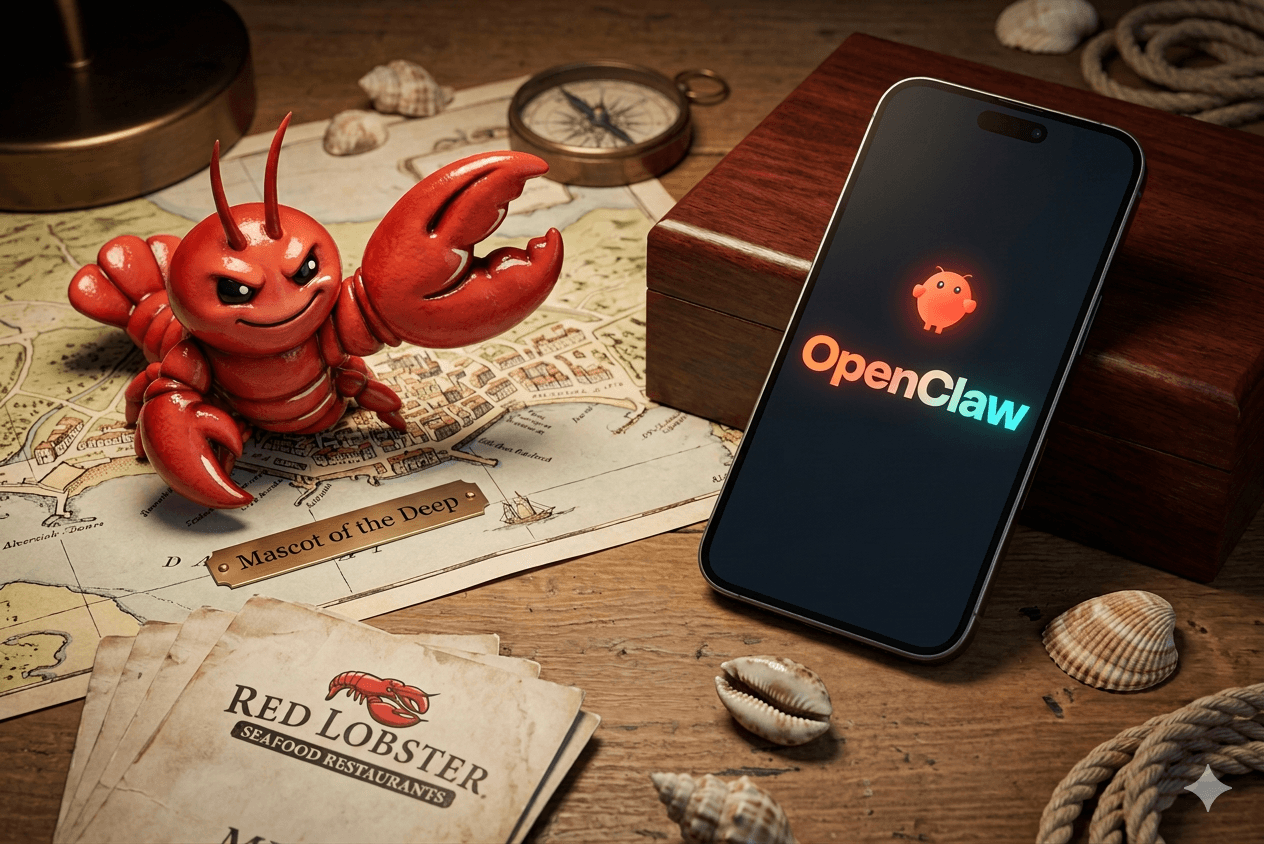
In the fast-evolving world of AI, few trends have captured attention as quickly as OpenClaw, an open-source AI agent that's become a sensation in tech circles. Dubbed the "lobster" due to its red icon, this tool has turned "raising lobsters" into a viral meme for adopting AI automation. From massive queues at tech headquarters to government-backed incentives, OpenClaw is reshaping discussions around intelligent agents and solo entrepreneurship. This post explores the phenomenon, drawing from recent developments in China.
Understanding OpenClaw's Explosive Popularity
OpenClaw represents a new breed of AI agents designed for autonomous task handling. It can manage emails, schedule events, and optimize workflows without constant human input, making it a game-changer for productivity. The hype reached fever pitch when thousands lined up at Tencent's headquarters for free installations, with users even receiving novelty "lobster birth certificates" upon setup. This isn't just niche tech adoption; it's a cultural shift, amplified by the launch of compatible tools like WorkBuddy, which integrates seamlessly across platforms such as WeChat, QQ, and enterprise systems. WorkBuddy supports multiple large language models and offers features like multi-agent parallel processing, allowing users to experiment with AI in everyday scenarios.
Cloud providers have jumped on board too, with Alibaba Cloud, Baidu Intelligent Cloud, and others providing one-click deployments and security enhancements. Hardware firms are adapting chips and platforms to ensure smooth integration, highlighting how OpenClaw is infiltrating everything from personal devices to enterprise infrastructure.
Shenzhen's Strategic Response: The "AI Lobster Ten Measures"
Recognizing the potential, Shenzhen's Longgang district has introduced a targeted policy package known as the "AI Lobster Ten Measures." This initiative aims to accelerate OpenClaw's application in sectors like manufacturing and government services while fostering "One Person Companies" (OPCs) – solo ventures powered by AI for end-to-end operations.
Key elements of the policy include:
- Free deployment subsidies to lower entry barriers.
- Three months of complimentary computing resources.
- A 30% reimbursement on large model usage fees.
- Equity investments up to 10 million yuan for high-potential projects.
- Incentives for developing AI agent tools.
- Rewards of up to 2 million yuan for advanced implementations.
This move aligns with national priorities to nurture intelligent economies, positioning Longgang as a hub for AI innovation and attracting "super individuals" who can build businesses with minimal overhead. By offering office space perks and computational support, the district is betting on AI agents to drive a new era of entrepreneurship.
Balancing Innovation with Security Concerns
While the enthusiasm is palpable, not everything is smooth sailing. China's Ministry of Industry and Information Technology has issued warnings about potential vulnerabilities in OpenClaw, particularly in default or misconfigured setups. Risks include network attacks and data leaks, underscoring the need for robust security practices. As adoption grows, users and developers must prioritize configurations that mitigate these issues to ensure safe scaling.
Looking Ahead: Implications for AI and the Economy
OpenClaw's rise signals a broader transformation where AI agents could redefine work, enabling individuals to handle complex operations independently. Policies like Longgang's demonstrate proactive government involvement in tech ecosystems, potentially accelerating global adoption. However, addressing security will be crucial to sustaining this momentum. As AI continues to evolve, tools like OpenClaw may well become staples in both personal and professional life, blurring the lines between human and machine productivity.
Curious about other AI developments on your radar?