Trump's China Visit & The Nvidia H200 Chip Deal
Published: May 14, 2026
Background: A Long-Stalled Tech Deal
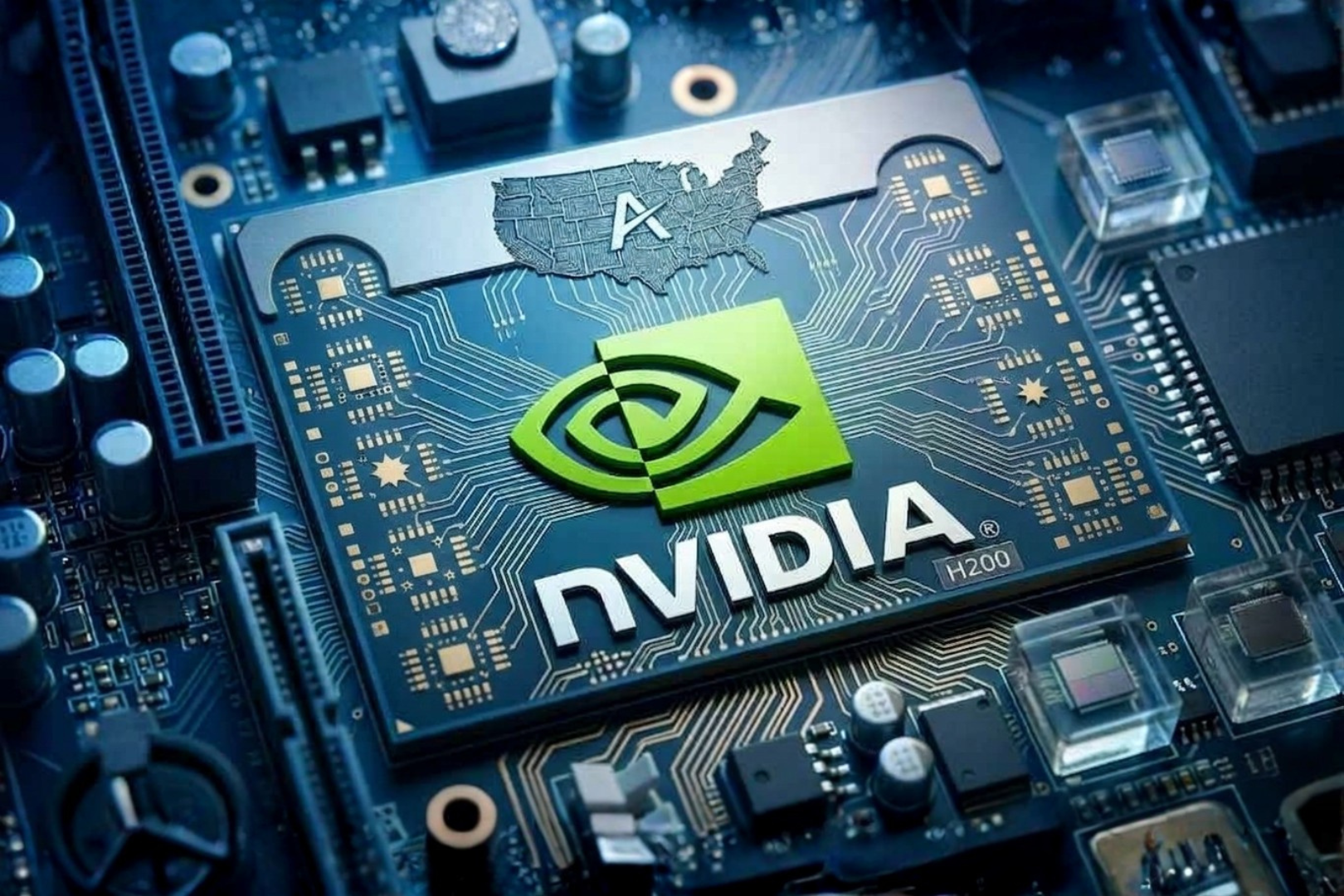
President Donald Trump arrived in Beijing on May 14, 2026, for a high-stakes state visit — and one of the most closely watched subplots is whether his trip will finally unlock the sale of Nvidia's powerful H200 AI chips to Chinese companies. Despite the Trump administration authorising H200 chip exports to China late last year, not a single chip has been delivered to any Chinese customer to date.
The deadlock stems from disagreements over sales terms on both sides. U.S. Commerce Secretary Howard Lutnick acknowledged last month that the chips had not yet been sold, pointing to difficulties Chinese companies faced in obtaining approval from their own government to proceed with purchases.
Jensen Huang: The Last-Minute Addition
Perhaps the most dramatic development was the last-minute inclusion of Nvidia CEO Jensen Huang in Trump's delegation. Huang was not on the original White House list of executives — a roster that already included Elon Musk (Tesla/SpaceX) and Tim Cook (Apple). According to Reuters, Trump personally called Huang after seeing media coverage that he had been left off the list. Huang was subsequently spotted boarding Air Force One in Alaska during a refuelling stop, joining the flight to Beijing.
"Jensen is attending the summit at the invitation of President Trump to support America and the administration's goals," — Nvidia spokesperson
Huang's surprise appearance immediately sparked optimism on the Chinese side. A person at a major Chinese cloud company told Reuters that Huang's presence was "a signal that the long-running standoff could yield positive results."
Who Got Approved? The Chinese Companies
According to Reuters, citing three sources familiar with the matter, the U.S. Commerce Department has already approved approximately 10 Chinese companies to purchase Nvidia H200 chips. Reported buyers include:
- Alibaba
- Tencent
- ByteDance
- JD.com (京東)
- Lenovo
- Foxconn (as a distributor)
Under the terms of the U.S. licences, each approved customer can purchase up to 75,000 chips. Buyers may purchase directly from Nvidia or through approved distributors.
A Power-Packed Delegation of CEOs
Trump's delegation to Beijing is one of the most high-profile business convoys in recent memory. More than 16 top U.S. executives accompanied the president, including:
| Executive | Company |
|---|---|
| Elon Musk | Tesla / SpaceX / X |
| Tim Cook | Apple |
| Jensen Huang | Nvidia |
| Larry Fink | BlackRock |
| Jane Fraser | Citigroup |
| Stephen Schwarzman | Blackstone |
| Kelly Ortberg | Boeing |
| David Solomon | Goldman Sachs |
Representatives from Meta, Qualcomm, Micron, Visa, Cisco, GE Aerospace, Mastercard, Cargill, Coherent, and Illumina were also present.
Upon arrival at the Great Hall of the People, Trump introduced the group to President Xi Jinping, calling them "distinguished representatives from the American business community" who "all respect and value China." Xi responded by welcoming "mutually beneficial cooperation."
Why Does This Matter?
China once accounted for 13% of Nvidia's total revenue, making it a critical market. Chinese companies are racing to develop AI but their homegrown chips still cannot match Nvidia's performance — making H200 access a strategic priority.
The broader visit also covers discussions on extending the one-year tariff truce and the export of Chinese rare earth metals — agreements first reached during the Trump-Xi meeting in South Korea in October 2025.
The US-China tech rivalry has turned chip exports into a geopolitical flashpoint. While approvals have been granted, the actual delivery of chips remains entangled in bureaucratic and diplomatic complexities on both sides.